On January 27, Vadym Omelchenko, Ukraine’s Ambassador to France convened an emergency online briefing for diplomats, political leaders, and civil society actors. The subject was not diplomacy or long term reconstruction, but whether the country can still keep electricity, heating, water and essential services running in the middle of winter. The message was clear. Ukraine’s energy system is approaching a point where it risks structural failure. This is no longer a question of managing damage, but of whether a country can continue to function under sustained attack.
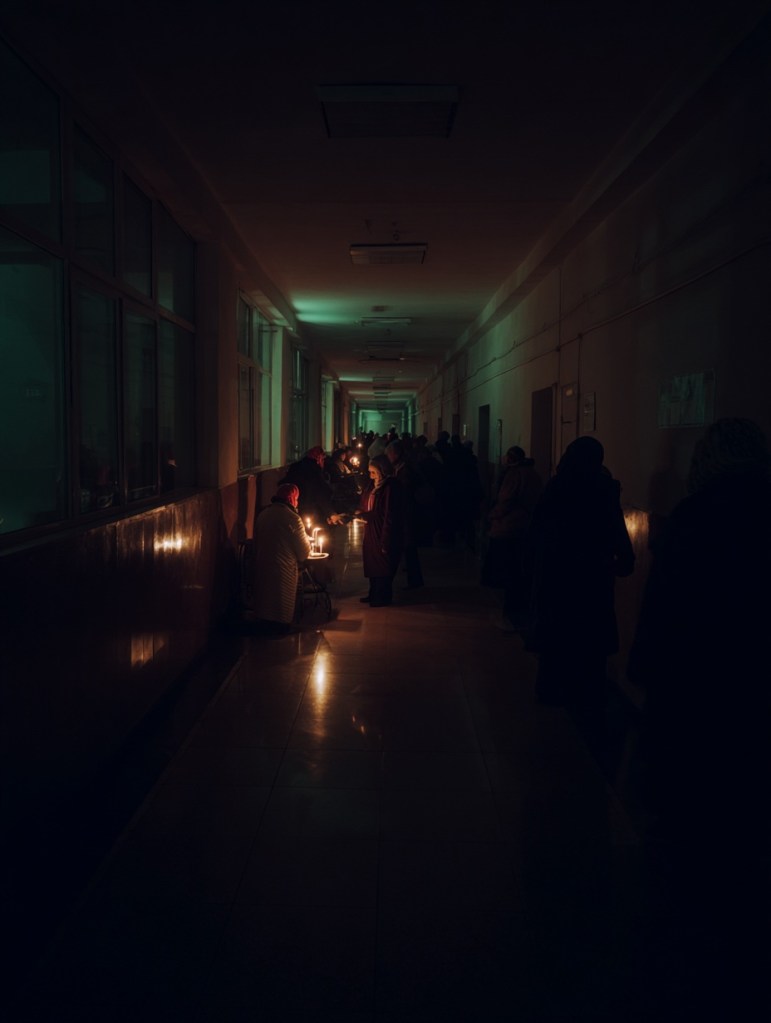
The scale of the destruction, in numbers
The Ambassador opened with figures that are difficult to ignore. In 2025 alone, Russia launched more than 1,950 missiles and over 54,600 drones against Ukraine, many of them aimed at energy infrastructure. Between September and December 2025, 843 strikes and more than 21,500 drones targeted the energy system.
“Today, all of Ukraine’s energy generation facilities have been damaged” -Vadym Omelchenko, Ukraine’s Ambassador to France
More than 8.5 gigawatts of thermal, hydro and cogeneration capacity have been taken offline, while only 3.6 gigawatts could be restored despite repair crews working around the clock. In January 2026, four large scale combined missile and drone attacks hit the system again, with Kyiv as the main target. Around 81% of the capital’s residential buildings and social infrastructure, were left without electricity, heating or water, in temperatures falling below minus 25°C. Similar situations were reported in Dnipro, Odesa and Kharkiv.
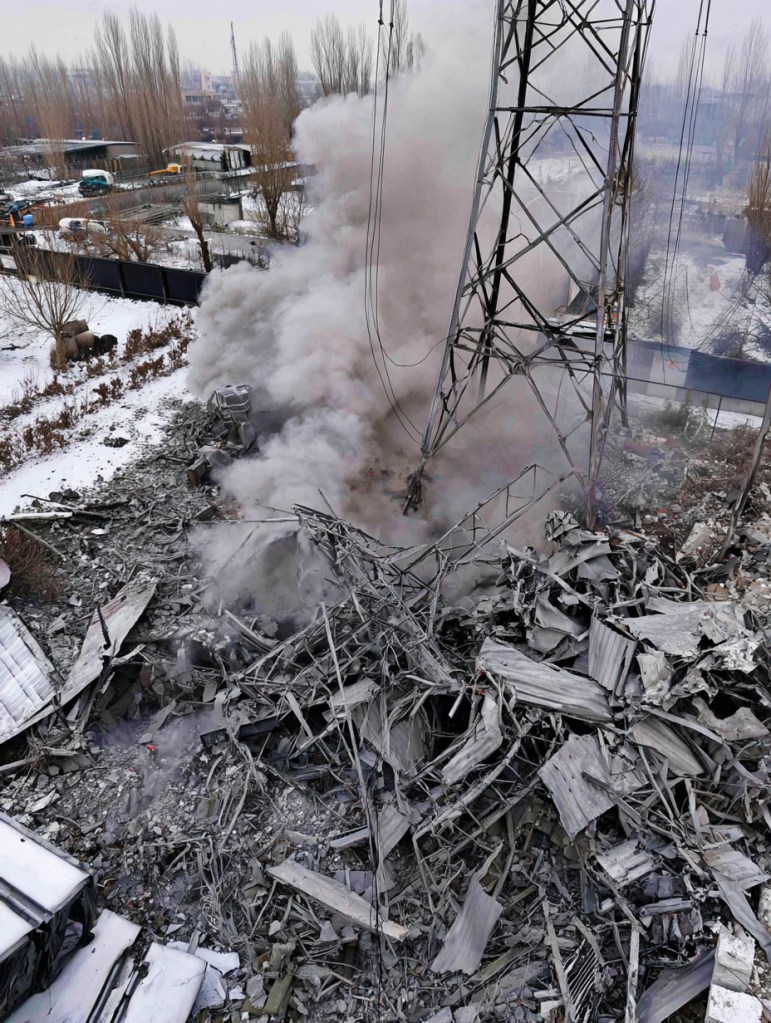
At peak hours, Ukraine needs around 18 gigawatts of electricity but can currently produce only 11. “We are operating with a structural deficit of seven gigawatts,” the Ambassador warned, adding that stocks of critical equipment, notably large power transformers, are close to exhaustion.
A war on daily life
The Ambassador insisted that the attacks are not merely about infrastructure. They are about the people who depend on it. When electricity, heating and water disappear, hospitals, schools and public services are immediately affected. Entire neighbourhoods are pushed into emergency conditions. In Kyiv alone, 1.5 million people were left without basic services in the middle of winter. The impact is not evenly distributed. “The first to suffer are the most vulnerable: the elderly, children, and those already in fragile health,” he said. In freezing temperatures, power cuts are not an inconvenience. They become a direct threat.
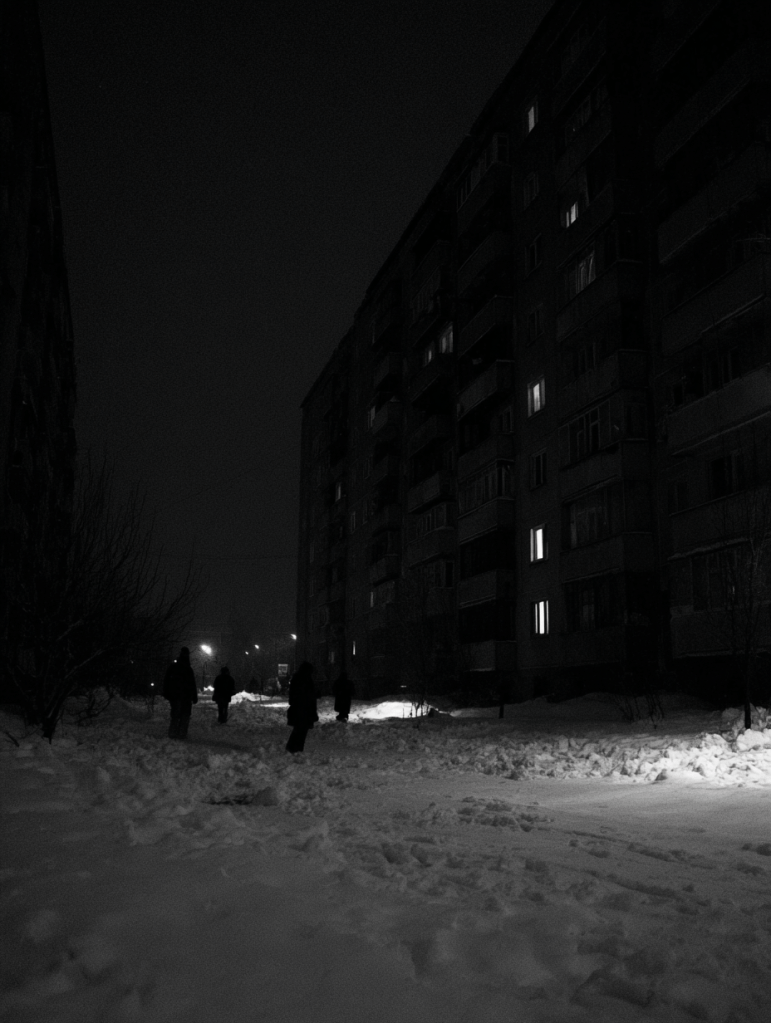
“This is not accidental. This is a deliberate strategy” Vadym Omelchenko, Ukraine’s Ambassador to France
By systematically targeting energy infrastructure, Russia is not only seeking to destroy assets, but to undermine the country’s ability to function as a society. The objective is exhaustion. Russia, he added, is openly counting on “four or five more weeks to finish off Ukraine’s energy system” and to provoke social destabilisation. This is not only a war against territory or military assets. It is a war against civilian life.
What can still be done, and what is needed now
In the short term, the priority is not new generation capacity, but emergency equipment, above all generators for hospitals, schools, shelters, district heating operators and central supply facilities. “Without them, we cannot guarantee even a minimal level of vital services,” the Ambassador said.
Some support is already underway. France has announced the delivery of 100 generators with a total capacity of 13 megawatts. “This is important, but it is only a beginning,” he noted. The problem is one of scale and speed. The damage is massive, repairs are constantly undone by new strikes, and stocks of critical equipment are close to exhaustion. What is at stake is no longer comfort, but the prevention of systemic breakdown.
The Ambassador’s conclusion was a direct appeal. The situation is “very difficult,” he said, and he “would not be asking without reason.” Each contribution, he insisted, has an immediate effect. “One generator means heat in a school, or in a shelter for elderly people.” The question in the coming weeks is whether international support can be mobilised fast enough to keep Ukraine’s basic systems running under sustained attack.

 Echoes from Ukraine
Leave a comment